 Here is a reading comprehension exercise on the topic. You can check your answers against the key on the last page.
Mes: noviembre 2021
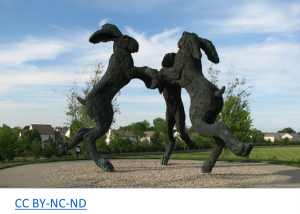
A sustainable community: ‘Dancing Rabbit’
Here is the LISTENING EXERCISE we did in class on Tuesday 23rd (with answers and script). Have another go at it if you can!)
Exam dates First term
 TUESDAY 30th NOVEMBER: Writing (Complaint email) + Listening & Reading
THURSDAY 16th DECEMBER: Writing (Essay) + Listening & Reading
(Speaking assessed by means of the activities done in class throughout the term plus specific assignments to be done in the January lessons)
Before the exams, DON’T FORGET to:
- have a look at the Exam Focus section (p.114 Reading/ p.115 Listening) and the Progress Check on pp.118-119 of your textbook Open World
- read and do the exercises in the Formal Complaint Email post
Reading: ‘Robots for human environments’
Here is a READING COMPREHENSION activity on the topic of ROBOTS, with comprehension questions and vocabulary exercises:

Real World Unit 7 video: Singapore
Exercise 8, page 117: Watch the video about Singapore. What do you learn about
– the history of Singapore?
– places to visit?
– the Smart Nation initiative?
Click here for some suggested answers and the whole videoscript:
RealWorld: Singapore
Formal Complaint letter/email

♦ If you have not been able to attend the lessons at the school recently and have not got the set of photocopies about Complaint, here are the links to the section of EOI WRITING BANK where you will find the essential information about the layout and language of Complaints. There is also an example of a complaint email to help you see the vocabulary and structures in context. Read everything carefully and study the specific language you will need to use when asked to write a formal email of complaint.
| COMPLAINT | example |
♦ From British Council: do the exercises on the page to practise the language of complaint. You can do them online or download and print the worksheet:
♦ This is another exercise to practise complaint writing:
A complaint letter about a holiday apartment + key
♦ This gap-filling exercise practises complaint vocabulary and some other language points:
Modals for speculation & deduction. Present and past.
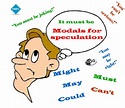 Δ Modals of speculation: explanation (pdf)
Δ Useful links from BBC Learning English, with a grammar reference section and exercices – including audio activities:
BBC Learning English – Course: intermediate / Unit 6 / Grammar Reference
http://www.bbc.co.uk/learningenglish/course/intermediate/unit-6/session-2/activity-1
http://www.bbc.co.uk/learningenglish/english/course/intermediate/unit-6/session-2/activity-2
http://www.bbc.co.uk/learningenglish/course/intermediate/unit-6/session-2/activity-3
http://www.bbc.co.uk/learningenglish/course/upper-intermediate/unit-25/session-1
Your smart home explained: video listening activity

Watch the video about Smart Homes and do the listening comprehension exercises below.
Check your answers and try to remember some of the useful vocabulary in the video and the main ideas it deals with.
Reading exercise: ‘More than a game’
In our next class we’ll be correcting this reading comprehension exercise. Try to do it for Tuesday 9th.
Do the exercises on page 236, Writing Bank section of Open World, as well and check your answers. We’ll have a look in class too.
TEMAS CERTIFICACIÓN B2
These are the TOPICS you must show competence in. You may be asked to write or speak about them. Readings, listenings and mediation texts will also be connected with them.
1. Identificación personal: nombre, apellido, dirección, teléfono, fecha y lugar de nacimiento, edad, sexo, estado civil, nacionalidad, documentación legal, origen, trabajo, familia, religión, gustos y preferencias, aspecto físico.
2. Vivienda, hogar y entorno: tipos de vivienda y alojamiento, habitaciones, mobiliario, coste, servicios, región, fauna y flora, condiciones de vida.
3. Actividades de la vida diaria: casa, trabajo, ingresos, estudios, planes futuros, hábitos.
4. Tiempo libre y ocio: intereses y aficiones, radio y televisión, cine y teatro, exposiciones y museos, objetivos intelectuales y artísticos, deportes, la prensa.
5. Viajes: transporte público y privado, el tráfico, vacaciones, alojamiento, equipaje, entrar y salir de un país, documentación de viaje.
6. Relaciones humanas y sociales: relaciones interpersonales y sociales, generacionales, invitaciones, encuentros sociales, correspondencia, pertenencia a clubes, gobierno y política, crimen y justicia, guerra y paz, asuntos sociales, tradición y creencias culturales.
7. Salud y cuidados físicos: partes del cuerpo, temas referidos al confort personal como sentirse bien o mal, higiene, enfermedades y accidentes, servicios médicos, seguro médico, guías de consejos de salud generales, o de actividades relacionadas con hábitos saludables.
8. Educación: los estudios, tipos de educación (colegio, instituto, universidad), profesiones relacionadas con la educación, asignaturas, cualificaciones, títulos y diplomas.
9. Compras y actividades comerciales: instalaciones y transacciones comerciales, ropa y moda, artículos del hogar, precios.
10. Alimentación: tipos de comida y bebida (nombres de las comidas, nombres de alimentos), comer y beber fuera. Opiniones sobre distintos lugares que ofrecen comidas y bebidas, guías alimenticias sencillas, etc.
11. Bienes y servicios: correos, teléfonos, los bancos, la policía, servicios diplomáticos, hospitales y consultas, garajes, estaciones de servicio.
12. Lengua y comunicación: la lengua que se estudia y su lugar en el mundo, los idiomas, las nuevas tecnologías de la información y comunicación, la prensa, la radio, la televisión.
13. Clima, condiciones atmosféricas y medio ambiente: el clima y el tiempo. Cuidados del medio ambiente, opiniones y comentarios sobre las condiciones atmosféricas.
14. Ciencia y tecnología: el ordenador, Internet y correo electrónico. El teléfono móvil. Imagen y sonido. Avances científicos y medios tecnológicos.
15. Cultura, costumbres y valores: instituciones, celebraciones tradiciones, etc.